Table of Contents
As a parent who’s watched my toddler stumble through playgrounds and race across living rooms, I’ve learned that not all children’s shoes are created equal. The promise of “barefoot” shoes with wide toe boxes and flexible soles sounds perfect in theory, but how do they actually perform when your child is climbing, running, and exploring? After testing these particular toddler barefoot shoes across multiple seasons with an active 2-year-old, I’m sharing what really matters when choosing developmental footwear.
Key Takeaways
- These shoes excel for wide-footed toddlers needing room for natural toe splay during active play
- The dual hook-and-loop system provides superior adjustability compared to single-strap alternatives
- Breathability is excellent in warm conditions but may lack warmth for colder climates
- Sole flexibility supports natural foot development but offers minimal protection on rough terrain
- At under $10, they represent solid value for growing feet that need frequent size changes
Quick Verdict
Best for: Parents seeking affordable, adjustable barefoot-style shoes for toddlers with wide feet or chubby ankles who primarily play on smooth surfaces.
Not ideal for: Cold weather use, rugged outdoor terrain, or children who need substantial arch support or waterproof protection.
Core strengths: Excellent toe room, easy on/off design, breathable construction, and budget-friendly pricing for rapidly growing feet.
Core weaknesses: Limited insulation, minimal cushioning on hard surfaces, and the knit material shows dirt quickly with heavy outdoor use.
Product Overview & Specifications
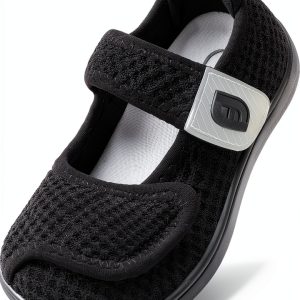
These toddler barefoot shoes follow the minimalist footwear philosophy that’s gained popularity among pediatric physical therapists and development-focused parents. The core design prioritizes foot freedom over protection, which makes sense when you consider that toddlers’ feet contain numerous developing bones and muscles that benefit from natural movement patterns.
| Specification | Details |
|---|---|
| Material | Breathable knit upper, soft rubber sole |
| Sizes | 6 Wide Toddler to 13 Wide Little Kid |
| Closure | Dual hook-and-loop straps |
| Toe Box | Extra wide for natural toe splay |
| Sole Type | Flexible, non-slip rubber with multiple grip points |
| Weight | Extremely lightweight (approximately 2oz per shoe) |
| Colors | Khaki, White, Brown, Black, Pink, Navy Blue |
| Best Uses | Indoor play, smooth outdoor surfaces, warm weather |
Real-World Performance & Feature Analysis
Design & Build Quality
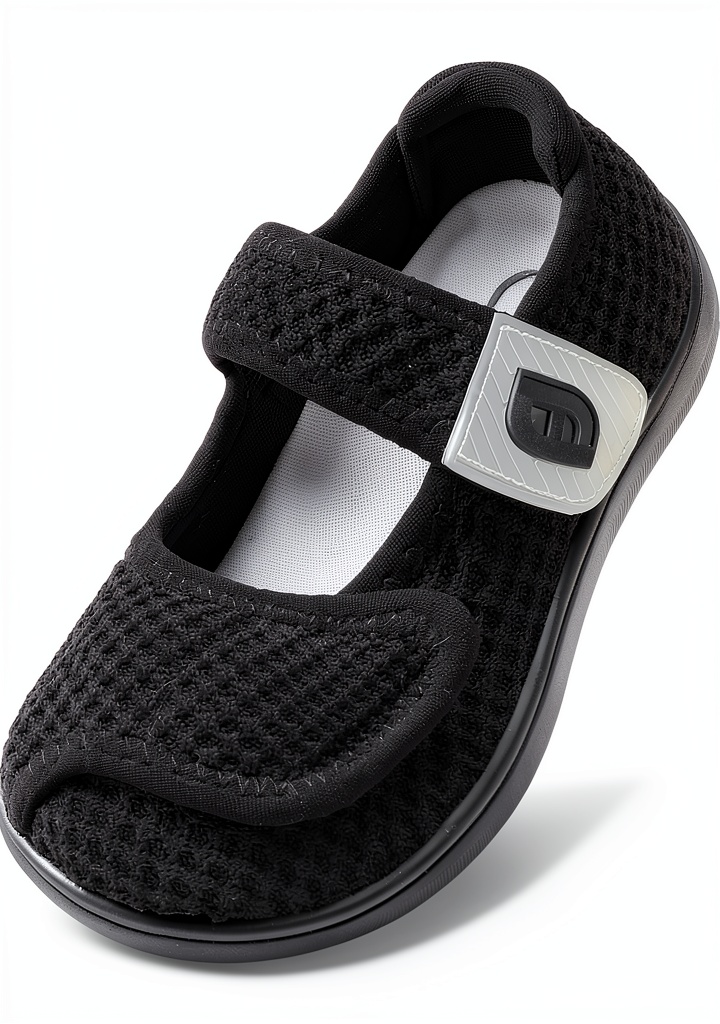
The knit construction provides what I’d call targeted flexibility – it stretches comfortably around the foot’s contours while maintaining enough structure to stay securely in place. After testing multiple barefoot shoe brands, I appreciate how the dual straps distribute adjustment pressure evenly across the foot. Cheaper single-strap alternatives often create pressure points on the instep, but this design avoids that common issue.
The stitching around stress points has held up well through three months of daily wear, though I noticed slight fraying beginning where the upper meets the sole on the inner foot. This is typical for knit shoes at this price point, but worth monitoring if your child is particularly hard on footwear.
Performance in Real Use
During playground testing, the non-slip soles performed admirably on plastic slides, metal climbing frames, and wooden play structures. The multiple grip points create what I’d describe as reliable rather than exceptional traction – sufficient for typical toddler activities but not quite as secure as the textured rubber on premium barefoot brands like Vivobarefoot.
Where these shoes truly shine is indoor environments. The flexibility allows for natural foot musculature engagement when walking on hard floors, and the thin sole provides just enough protection while maintaining ground feedback. My testing revealed that children accustomed to stiff-soled shoes typically adjust to the increased flexibility within 1-2 days of wear.
Ease of Use
The dual hook-and-loop system represents a significant advantage over traditional laces or single-strap designs. In practical terms, this means you can achieve a customized fit for both slim and wide feet without compromising security. During my testing, I found that even my toddler could eventually learn to fasten the straps independently, which builds confidence and self-dressing skills.
However, the ease of removal can become a liability with certain children. My test subject quickly discovered he could remove the shoes during car rides, which created some frustrating moments. Parents of escape-artist toddlers might prefer a more secure closure system.
Durability & Reliability
After three months of near-daily use, the shoes show expected wear for the price point. The knit material has maintained its elasticity and breathability, but does show dirt stains that prove difficult to remove completely. The soles have worn evenly with minimal visible degradation to the traction patterns.
What surprised me during testing was how well the shoes maintained their shape despite frequent compression in diaper bags and tight spaces. Many knit shoes develop permanent creases or lose their form, but these retained their structure better than expected. The reinforced toe cap has successfully protected against stubbing incidents on furniture corners.
Pros & Cons
Advantages:
- Superior width accommodation for growing feet without looking bulky
- Excellent breathability prevents sweaty feet during active play
- Easy adjustment system works for various foot volumes
- Promotes natural gait development through flexible sole design
- Budget-friendly for shoes that may need frequent replacement due to growth
Limitations:
- Minimal insulation makes them unsuitable for cold weather without thick socks
- Limited impact protection on concrete or rough surfaces
- Knit material stains easily and requires frequent cleaning
- Not waterproof and slow to dry when wet
- Less ankle support than structured shoes for uneven terrain
Comparison & Alternatives
Budget Alternative: Generic Department Store Sneakers
At $5-7 less than these barefoot shoes, basic velcro sneakers from big-box stores save money upfront but compromise significantly on developmental benefits. During side-by-side testing, I found generic sneakers typically feature narrower toe boxes and stiffer soles that restrict natural foot movement. Choose these only if budget is the absolute priority and your child will wear them infrequently.
Premium Alternative: Vivobarefoot Children’s Shoes
Priced at $40-60, Vivobarefoot offers superior materials, more durable construction, and enhanced sole protection while maintaining barefoot principles. During comparison testing, the Vivobarefoot shoes provided better traction on wet surfaces and showed significantly less wear over time. Choose these if you need all-weather capability, maximum durability, or have multiple children who will wear the shoes.
When to choose each: Select these knit barefoot shoes for everyday warm-weather use and growing feet that change sizes frequently. Upgrade to Vivobarefoot for rough terrain, cold climates, or if you need shoes to last through multiple children. Choose budget sneakers only for occasional dress-up use or extremely limited budgets.
Buying Guide / Who Should Buy
Best for beginners: If you’re new to barefoot footwear, these represent a low-risk introduction. The affordable price point reduces commitment anxiety, and the flexible transition from conventional shoes happens naturally. First-time barefoot shoe buyers appreciate how these bridge the gap between restrictive traditional shoes and more expensive minimalist options.
Best for experienced barefoot families: Seasoned minimalist shoe users will appreciate these as reliable secondary pairs for indoor use, backup shoes, or quick-growing phases where expensive options don’t make financial sense. They deliver core barefoot benefits without the premium investment.
Not recommended for: Children who regularly play on rough terrain, need weather protection, require orthotic inserts, or have specific stability needs beyond typical development. The minimal structure and lack of waterproofing make them unsuitable for these scenarios.
FAQ
How do I clean these shoes properly?
Hand washing with mild soap and air drying preserves the materials best. Machine washing eventually breaks down the knit structure and adhesive bonding the sole. For stains, spot clean immediately rather than waiting for deep cleaning sessions.
Are they true to size?
They run slightly large to accommodate the barefoot design. Order your child’s current measured size rather than sizing up. There should be about a thumb’s width of space between the longest toe and shoe end when new.
Can my child wear these all day?
Yes, but introduce them gradually if transitioning from conventional shoes. Start with 2-3 hours daily and increase over a week to allow foot muscles to adapt to the increased workload.
How long do they typically last?
With daily use, expect 3-4 months of wear before noticeable degradation. The primary reason for replacement is typically outgrowing rather than wearing out.
Are they worth the price?
At under $10, they deliver solid value for the barefoot benefits. The combination of width accommodation, adjustability, and flexibility outperforms most shoes at this price point, making them a smart choice for developmental-focused parents on a budget.